
Call us now :08071780755
 Send Inquiry
 Send Inquiry
Din Abrasion Tester
Price 72000.0 INR/ Unit
MOQ : 1 Unit
Din Abrasion Tester Specification
- Test Material
- Rubber, Elastomer, and Other Similar Materials
- Humidity
- Ambient
- Port Size
- Standard
- Test Range
- 0-999 counts
- Temperature
- Ambient
- Specimen Size
- 16 mm diameter x 6-8 mm thickness
- Number of Specimens
- 1 per test
- Type
- Laboratory Testing Equipment
- Material
- Mild Steel Body with Powder Coating
- Power
- 220V AC, 50 Hz
- Power Source
- Electric
- Dimension (L*W*H)
- 690 mm x 300 mm x 300 mm
- Weight
- Approximately 55 kg
- Usage
- To test abrasion resistance of rubber and similar materials
- Application
- Quality Control, Research Laboratories, Industrial Testing
- Sample Holder Type
- Precision Clamp with Angular Adjustment
- Display Type
- Digital Counter
- Drive Mechanism
- Geared Motor
- Complies With
- DIN 53516 Standard
- Abrasive Roller Diameter
- 150 mm
- Load on Specimen
- 5 N to 10 N (adjustable)
- Stroke Length
- 40 mm
- Abrasive Roller Length
- 460 mm
- Rotation Speed
- Approximately 40 rpm
- Finish
- Corrosion Resistant Paint
Din Abrasion Tester Trade Information
- Minimum Order Quantity
- 1 Unit
- Supply Ability
- 100 Units Per Month
- Delivery Time
- 7 Days
Din Abrasion Tester About
DIN Abrasion Tester
The DIN Abrasion Tester is a precision testing instrument designed to determine the abrasion resistance of rubber, elastomers, and related materials in accordance with DIN 53516 standards. It accurately measures material wear caused by friction, helping manufacturers evaluate durability, quality, and performance.
Built with a robust structure and high-precision components, the tester ensures consistent test conditions and reliable results. The rotating drum mechanism, combined with standardized abrasive paper, simulates real-world wear, making it ideal for research, quality control, and production testing environments.
The instrument features smooth operation, easy specimen mounting, and precise control of test parameters, making it suitable for routine laboratory use as well as industrial applications.
Key Features:
-
Conforms to DIN 53516 abrasion testing standards
-
High-precision rotating drum mechanism
-
Robust and durable construction
-
Easy specimen clamping and operation
-
Accurate and repeatable test results
Applications:
-
Rubber and elastomer industries
-
Footwear and sole material testing
-
Tyre and automotive component testing
-
Quality control and R&D laboratories
-
Plastic and polymer testing
Reliable Abrasion Testing for Rubber and Elastomers
Ensure the long-term durability of your rubber and elastomer products with the Din Abrasion Tester. Designed to deliver accurate, repeatable results, this instrument offers digital control, adjustable specimen loading, and a user-friendly precision clamp. Its corrosion-resistant mild steel construction combined with compliance to DIN 53516 standards makes it a trusted choice for manufacturers, exporters, suppliers, and laboratories.
Advanced Engineering, Simple Operation
With a digital counter and display, real-time monitoring becomes straightforward. Adjust the load, secure the sample using the angular clamp, and let the geared motor provide consistent rotation. The DIN tester's workflow streamlines quality control protocols, providing confidence and convenience whether you are developing new materials or certifying products for the market.
FAQ's of Din Abrasion Tester:
Q: How does the Din Abrasion Tester evaluate the abrasion resistance of samples?
A: The Din Abrasion Tester measures abrasion resistance by rotating a rubber or elastomer specimen against an abrasive roller under a controlled load, recording the number of test cycles on a digital counter until the required testing parameters are met.Q: What types of materials can be tested with this equipment?
A: This tester is specifically designed for rubber, elastomers, and similar materials. Common applications include quality control checks for tires, footwear, industrial rubber products, and other related items.Q: When should I use the Din Abrasion Tester in my production process?
A: It is best used during quality control stages-either after product formulation or before final shipping-to ensure that your materials meet industry abrasion resistance specifications.Q: Where is this tester most commonly utilized?
A: The Din Abrasion Tester is widely used in research and development laboratories, quality control departments in manufacturing plants, and industrial testing facilities, especially those involved in rubber and elastomer production.Q: What is the testing process with this Din Abrasion Tester?
A: First, prepare and clamp the specimen (16 mm diameter, 6-8 mm thickness), select the appropriate load (5-10 N), and initiate the test. The specimen is abraded at approximately 40 rpm until the desired number of cycles is reached or the material fails, with results digitally displayed.Q: What benefits does the digital counter provide?
A: The digital counter ensures precise and reliable tracking of test cycles, simplifying data collection and reporting for accurate quality assessments.Q: How does compliance with DIN 53516 standards benefit the user?
A: Compliance guarantees that testing results are internationally recognized and consistent, facilitating trade, certification, and material comparison across different regions and industrial sectors.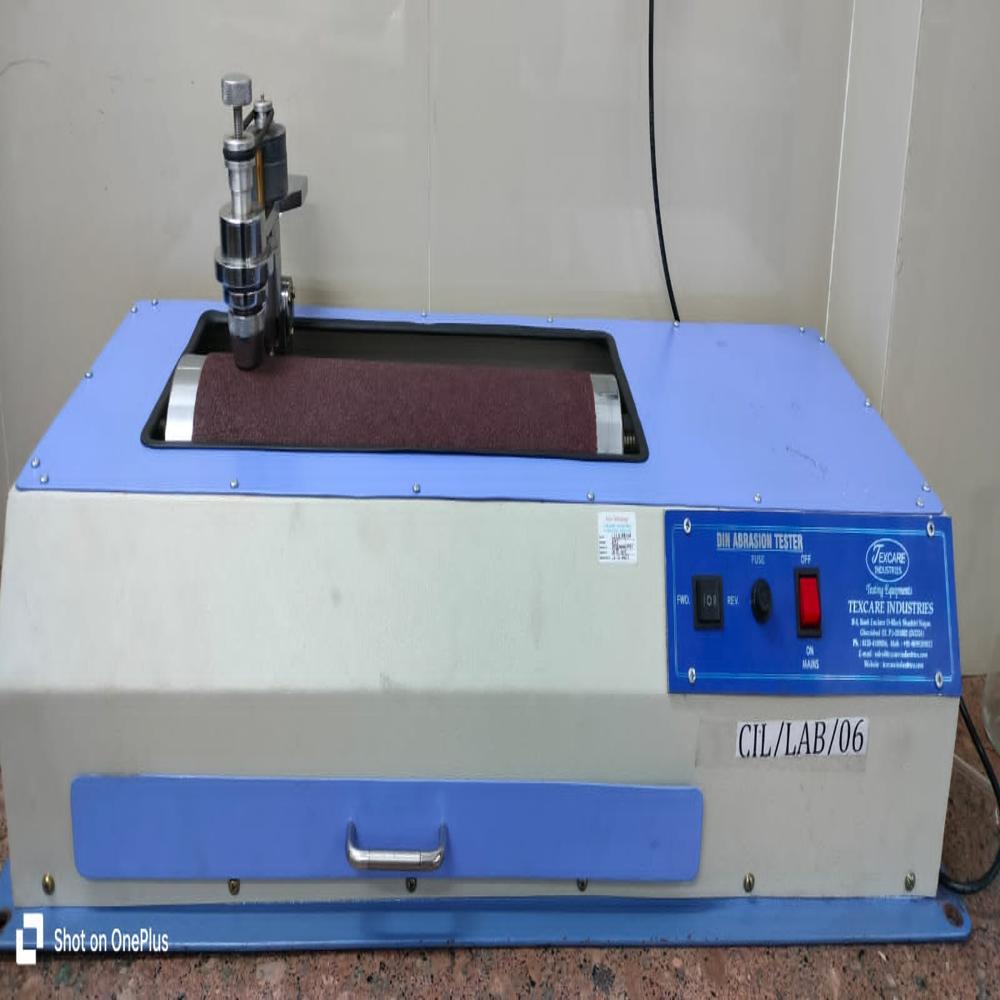
Tell us about your requirement

Price:
Quantity
Select Unit
- 50
- 100
- 200
- 250
- 500
- 1000+
Additional detail
Mobile number
Email

More Products in Leather Testing Equipment's Category
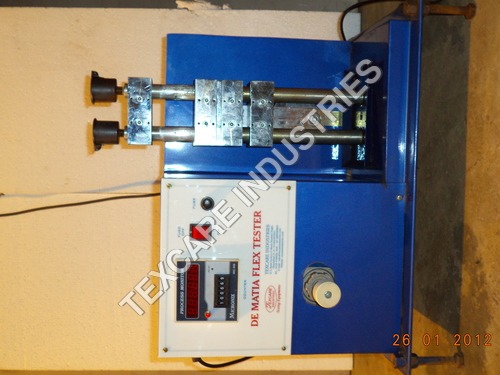
De- Martia Flexing Tester
Price 72000.0 INR / Unit
Minimum Order Quantity : 1 Unit
Power Source : Electric
Weight : 70 Kilograms (kg)
Usage : For Testing Use
Type : Flexing Tester
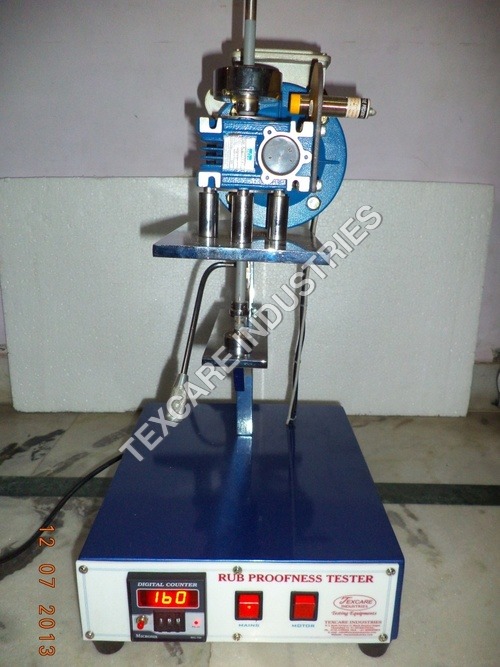
Rub Proofness Tester
Price 32000 INR / Piece
Minimum Order Quantity : 1 Unit
Power Source : Electric
Weight : 20 50 Grams (g)
Usage : For Testing Use
Type : Proofness Tester

 Send Inquiry
Our Products



B-3, Bank Enclave, D-Block, Shastri Nagar,Ghaziabad - 201002, Uttar Pradesh, India

Mr. Ashok Gupta
(Director)
Mobile :08071780755
 Send Inquiry
 Send SMS
 Call Me Free
Developed and Managed by Infocom Network Private Limited.
